EV Battery Health Study Reveals Surprising Durability
🕓 Estimated Reading Time: 7 minutes
Overview
A groundbreaking new study on electric vehicle (EV) battery performance has unveiled findings that challenge common assumptions about longevity and degradation, offering a significant boost to consumer confidence in the rapidly expanding EV market. The comprehensive research indicates that the EV battery health of modern vehicles is far more robust than often feared, with many models retaining a remarkable percentage of their original capacity even after years of use and considerable mileage. This revelation comes at a crucial time when global efforts are intensifying to transition towards sustainable transportation, and concerns about battery lifespan have frequently been cited as a major barrier for potential EV adopters. The study highlights that fears of rapid decline in battery performance may be largely unfounded, painting a more optimistic picture for the future of electric mobility.
Background & Context
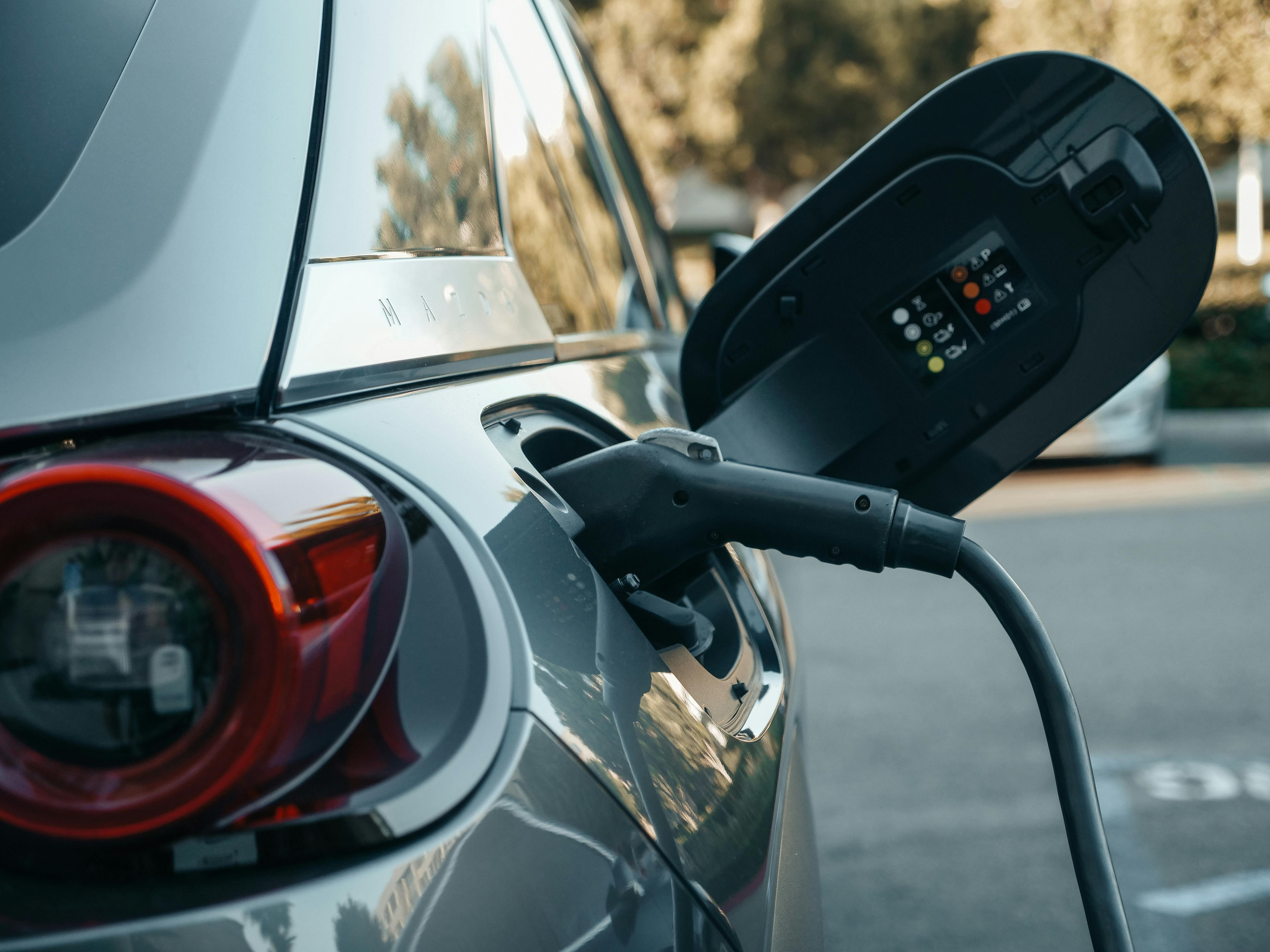
For years, one of the most persistent anxieties surrounding electric vehicles has been the anticipated rate of battery degradation. Consumers frequently worry about the long-term viability of an EV, fearing that the battery's capacity will diminish rapidly, leading to reduced range and expensive replacement costs. This concern has been fueled by early anecdotal evidence and a lack of extensive real-world data, particularly for vehicles that have been on the road for a decade or more. The automotive industry, in response, has often offered substantial warranties on battery packs, typically guaranteeing performance for eight years or 100,000 miles, but public perception has remained skeptical.
The recent study, conducted by Recurrent Auto and reported by TechRadar, involved analyzing data from over 15,000 electric vehicles. This extensive dataset allowed researchers to move beyond theoretical models and examine actual performance trends across a wide array of makes and models, under varied driving and charging conditions. Among the vehicles scrutinized, the Nissan Leaf battery specifically received significant attention due to its pioneering role in the mass-market EV segment and its historically simpler battery cooling system compared to some rivals. This made it a crucial test case for understanding battery longevity under real-world conditions, providing valuable insights into how different engineering approaches impact long-term performance.
Implications & Analysis
The findings of the Recurrent Auto study provide compelling evidence that electric vehicle batteries are performing far better than conventional wisdom suggests. One of the most striking conclusions is that most EV batteries show minimal degradation through their early and middle lifespans, retaining over 90% of their original capacity well past the 100,000-mile mark. The study noted several models, including specific iterations of the Hyundai Kona, BMW i3, and even some Tesla models, demonstrating exceptional endurance. Notably, the report highlighted the 2017 Hyundai Ioniq Electric as a standout performer, showing almost no degradation across its fleet, a testament to robust battery management systems and thermal regulation.
The implications for the broader acceptance of EVs are substantial. By assuaging fears about diminished range and costly replacements, the study directly addresses a major psychological barrier for potential buyers. It reinforces the idea that an EV's power unit, unlike an internal combustion engine, doesn't wear out in the same predictable manner over its operational life. The analysis indicates that sophisticated battery management systems (BMS), along with advancements in cell chemistry and thermal management, play a crucial role in mitigating the effects of aging and usage, thus extending electric vehicle battery life significantly. This longevity also has positive ramifications for the second-hand EV market, potentially increasing resale values and making pre-owned electric cars a more attractive and viable option for a wider demographic.
Reactions & Statements
The findings from Recurrent Auto's comprehensive study are expected to resonate across the automotive industry and among environmental policy makers. While specific immediate reactions from manufacturers are pending, the data strongly supports the narrative that electric vehicle technology is maturing rapidly and exceeding initial expectations in terms of durability. Industry analysts suggest that this type of verifiable, large-scale data is precisely what is needed to foster greater trust and accelerate the adoption of EVs. It provides solid evidence to counter misinformation and anecdotal claims that often undermine public confidence.
'The real-world data shows that battery technology is advancing at an incredible pace, and the longevity we're observing in these vehicles should be a significant comfort to consumers,' stated Liz Najman, a spokesperson for Recurrent Auto, as quoted in the TechRadar report. 'Our research indicates that the fears about premature battery failure are largely unfounded for the vast majority of EVs on the road today.'
This sentiment is likely to be echoed by EV proponents and environmental organizations, who have long advocated for the sustainability and long-term economic benefits of electric transport. The study provides a robust factual basis for promoting EVs not just as environmentally friendly alternatives, but also as practical, durable, and reliable modes of transportation for the long haul.
What Comes Next
The implications of this positive EV battery study extend beyond mere consumer reassurance. For manufacturers, these findings could influence future battery warranty policies, potentially leading to even longer guarantees as confidence in the technology grows. It may also shift research and development priorities, allowing more focus on areas such as faster charging, improved energy density, and sustainable material sourcing, rather than solely on mitigating degradation. Furthermore, a clearer understanding of battery longevity is critical for developing more accurate residual value predictions for EVs, which in turn can impact leasing agreements and insurance premiums, making electric vehicles more financially accessible.
Governments and energy providers will also likely leverage such data to bolster infrastructure planning and public incentive programs. As the perceived risk of owning an EV diminishes, policy makers can focus more on charger availability, grid integration, and encouraging second-life applications for batteries. The study’s insights are also invaluable for the burgeoning battery recycling industry, providing a more precise timeline for when batteries will exit vehicle service and become available for reuse or material recovery. This holistic understanding of the battery lifecycle is essential for establishing a truly circular economy for electric vehicles.
Conclusion
The comprehensive EV battery study by Recurrent Auto offers a powerful counter-narrative to lingering doubts about electric vehicle durability. By meticulously analyzing real-world data from thousands of vehicles, the research conclusively demonstrates that modern EV batteries are remarkably resilient, experiencing far less degradation than previously assumed. This scientific validation should significantly alleviate consumer concerns, paving the way for broader adoption of electric vehicles globally. As technology continues to evolve and more data becomes available, the long-term sustainability and economic viability of electric transportation are increasingly affirmed. This positive development marks a pivotal moment, shifting the conversation from battery anxiety to the exciting possibilities of a fully electric future.


