Inside Neo 1X Technologies' New Home Robot
🕓 Estimated Reading Time: 4 minutes
Overview
In a significant stride towards integrating advanced artificial intelligence with practical home assistance, 1X Technologies has unveiled its latest innovation: Neo home robot. Designed to tackle a variety of domestic tasks, Neo represents a calculated evolution in personal robotics, aiming to bridge the gap between sophisticated engineering and everyday utility. This development signals a potential shift in how households approach chores, elder care, and general assistance, promising a future where robotic companions are not just futuristic concepts but tangible realities within our living spaces.
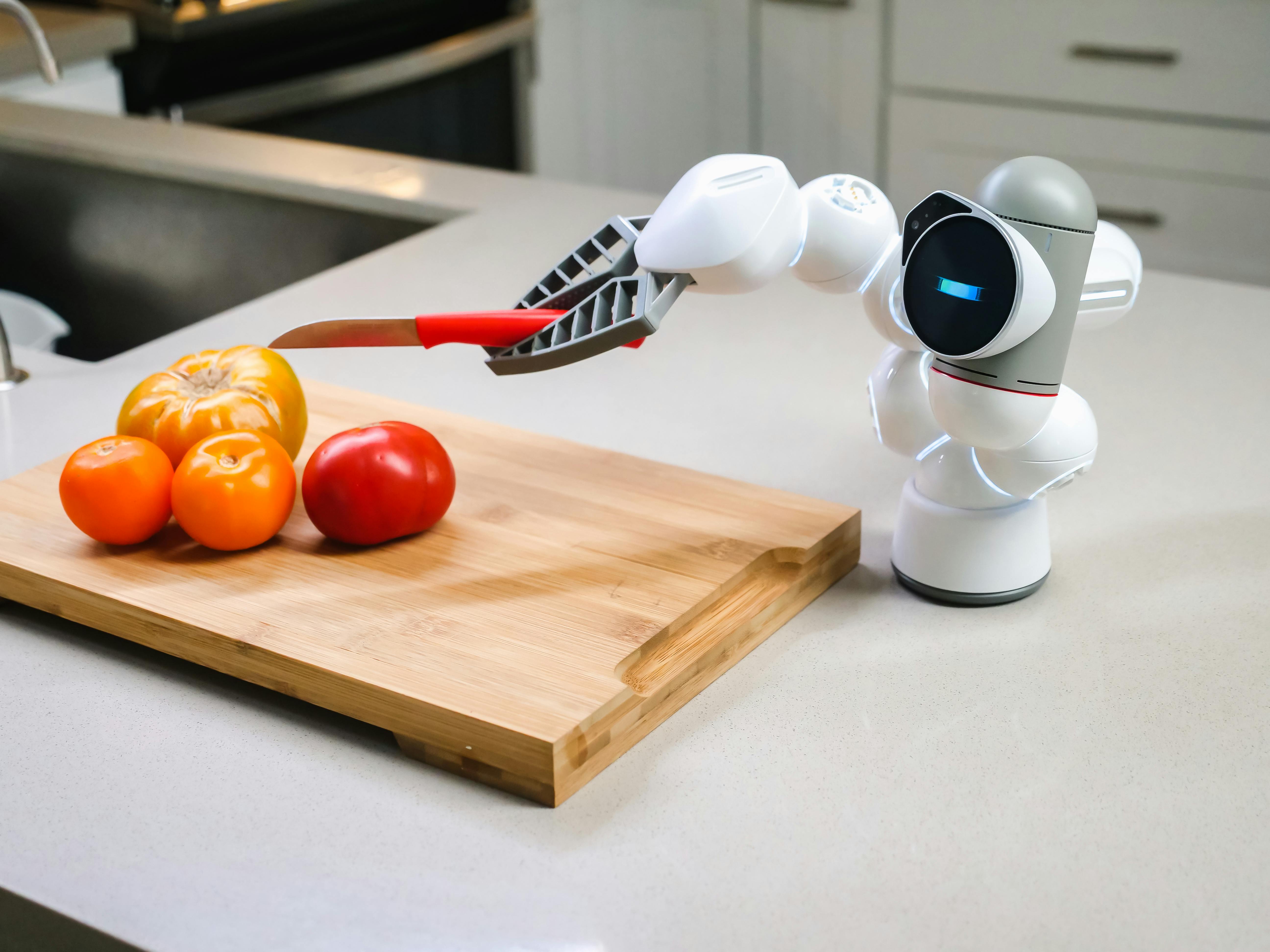
The announcement by 1X Technologies positions Neo as a serious contender in the burgeoning market for automated home solutions. Unlike many prototypes that remain confined to laboratories, Neo is engineered with a clear focus on commercial viability and practical application, emphasizing safety, efficiency, and seamless integration into the domestic environment. Its introduction comes at a time when consumer interest in smart home devices and intelligent assistants is at an all-time high, setting the stage for Neo to potentially redefine expectations for household automation.
Background & Context
The journey towards versatile home robots has been long and incremental, marked by decades of research in artificial intelligence, robotics, and machine learning. From early industrial robots performing repetitive factory tasks to today’s intelligent vacuum cleaners, the evolution has been relentless. 1X Technologies Neo is the culmination of years of dedicated research and development in this field. The Norwegian robotics company, known for its innovative approach to humanoid and wheeled bipedal robots, has consistently pushed the boundaries of what autonomous systems can achieve in unstructured environments.
Prior to Neo, 1X Technologies garnered attention for its android, EVE, which has seen deployment in commercial settings, primarily for security and logistics. EVE’s robust design and advanced navigation capabilities laid crucial groundwork for Neo’s development, demonstrating 1X Technologies' ability to produce functional robots capable of complex interactions. The transition from industrial or security applications to the intimate space of a home presents a unique set of challenges, demanding enhanced dexterity, improved human-robot interaction, and an acute understanding of domestic environments. This new venture, as reported by Fast Company, represents a significant leap from specialized robotic tasks to general household utility, a goal that has eluded many robotics firms for years (Fast Company, 2024).
Implications & Analysis
The introduction of Neo by 1X Technologies carries significant implications for various sectors, ranging from labor markets to personal independence. As a humanoid robot, Neo is designed to interact with tools and environments built for humans, minimizing the need for specialized infrastructure. This adaptability positions it as a versatile assistant capable of tasks like cleaning, organizing, carrying groceries, and potentially assisting individuals with mobility challenges. The potential to offload mundane or physically demanding chores could free up human time and energy, redirecting it towards more creative, social, or productive endeavors.
However, the integration of such advanced domestic robotics also raises pertinent questions. Ethical considerations surrounding privacy, data security, and the psychological impact of living with a humanoid companion will require careful navigation. The cost of advanced robotics remains a barrier for mass adoption, though 1X Technologies is likely working to make Neo more accessible over time. Safety is paramount; ensuring Neo can operate without posing risks to household members, especially children and pets, is a critical design and regulatory challenge. The robot's ability to learn and adapt to dynamic home environments, coupled with robust obstacle avoidance and delicate manipulation skills, will be key to its success.
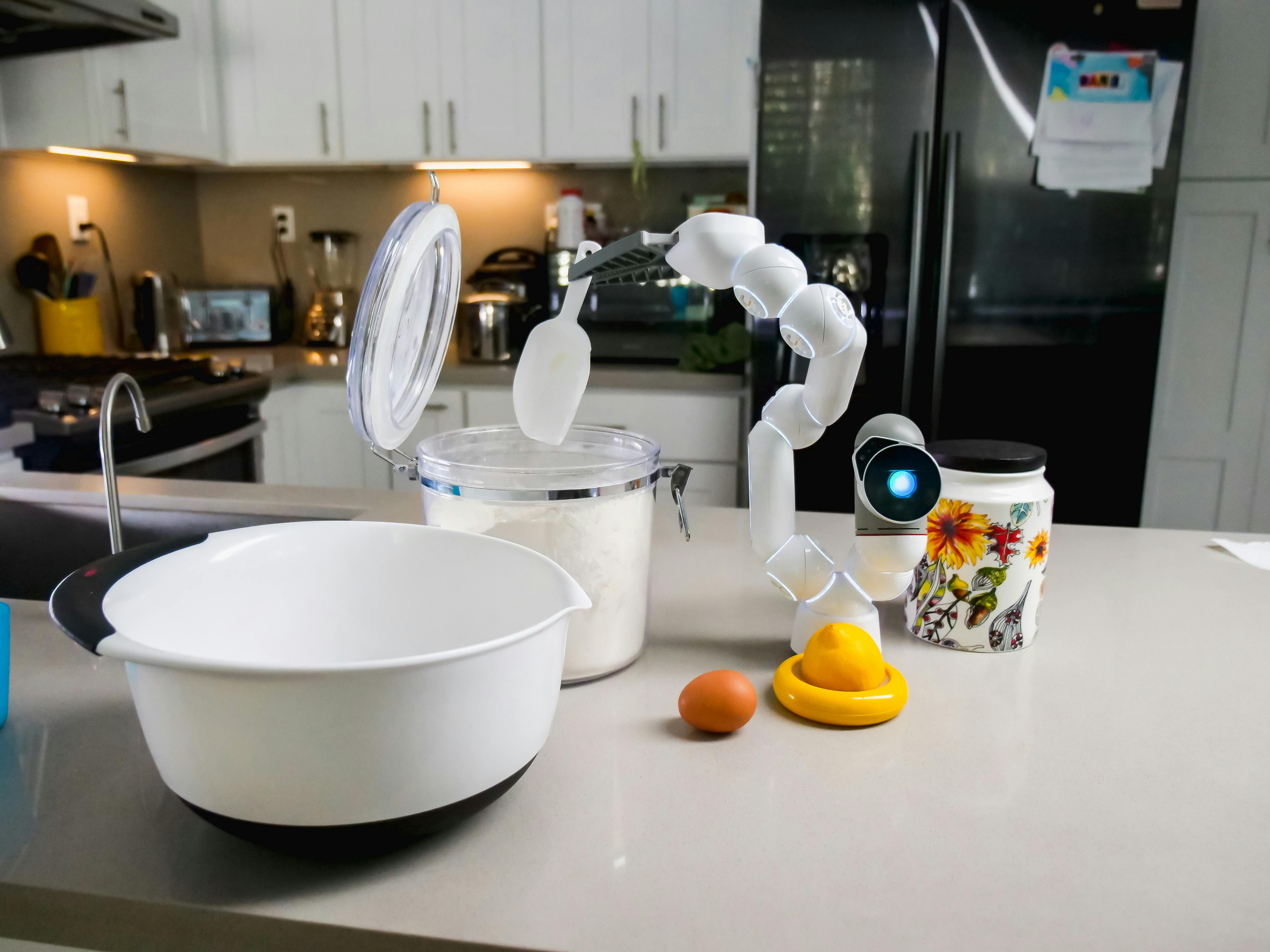
Economically, the rise of home robots could stimulate new industries for development, maintenance, and specialized applications, creating new job categories even as it automates others. For aging populations, personal robots offer a compelling solution for maintaining independence and receiving assistance without requiring human caregivers for every task. The technological prowess needed to create a truly useful and safe domestic robot is immense, requiring advancements in AI for natural language processing, computer vision for navigation and object recognition, and advanced motor control for fluid movement and manipulation.
Reactions & Statements
The unveiling of Neo has elicited a mix of excitement and cautious optimism from industry experts and the broader public. Robotics specialists acknowledge the significant engineering challenge in creating a general-purpose home robot, praising 1X Technologies for its progress. Many see Neo as a strong indicator of the accelerating pace of robotic development, especially in areas previously thought to be years away.
'We believe Neo will fundamentally change how people interact with technology in their homes. Our goal is to create a robot that is not just a tool, but a helpful and seamless extension of the household, improving quality of life,' stated a representative from 1X Technologies, emphasizing the company's vision for a user-centric design approach.
Analysts from technology research firms have highlighted the importance of robust software and intuitive user interfaces for Neo's success. 'Hardware is only half the battle,' noted one analyst to Fast Company. 'For Neo to truly integrate into homes, it needs to understand complex, ambiguous human commands and learn from its environment, adapting to individual preferences and routines.' Public reaction, as gauged through social media and tech forums, reflects both enthusiasm for potential convenience and concerns regarding job displacement and the ethical boundaries of AI in personal spaces. The discussion around privacy, in particular, remains a focal point, with calls for transparent data handling policies from manufacturers like 1X Technologies.
What Comes Next
The path forward for Neo, and for future home automation in general, involves several critical steps. 1X Technologies is expected to continue rigorous testing and refinement of Neo, focusing on enhancing its autonomy, improving its safety features, and expanding its repertoire of domestic skills. Beta testing with select households could provide invaluable real-world data, highlighting areas for improvement and adaptation. The timeline for commercial availability and pricing models will be closely watched by consumers and competitors alike. Initial deployment may target specific markets or niche applications before a broader rollout.
Further advancements in AI and robotics, particularly in areas like reinforcement learning and natural language processing, will undoubtedly shape Neo's evolution. As these technologies mature, Neo’s ability to understand context, anticipate needs, and perform tasks with minimal human intervention will grow. The regulatory landscape for personal robotics is also nascent and will likely develop in response to products like Neo, addressing concerns about safety, privacy, and liability. Collaboration with smart home ecosystems and device manufacturers will be crucial for Neo to seamlessly integrate into existing automated homes, becoming a central hub rather than an isolated gadget. The long-term vision includes creating a truly intelligent, adaptive, and indispensable robotic companion that simplifies daily life for millions.
Conclusion
Neo represents a significant milestone in the quest for practical, intelligent home robotics. 1X Technologies' commitment to developing a Neo home robot that is both capable and adaptable signals a new era for household automation. While challenges related to cost, safety, and ethical integration remain, the potential benefits for efficiency, independence, and quality of life are substantial. As technology continues to advance and public acceptance grows, robots like Neo are poised to transform our homes, moving from the realm of science fiction to an everyday reality. This development by 1X Technologies is not just about a new product; it's about pioneering a future where intelligent machines actively contribute to the well-being and convenience of human households, marking a pivotal moment in the history of personal technology.


