KT SAT and JSAT Drive GEO 5G NTN Development
🕓 Estimated Reading Time: 6 minutes
**Seoul, South Korea** – In a significant move set to accelerate global connectivity, KT SAT, South Korea’s leading satellite communications provider, and SKY Perfect JSAT (JSAT), a prominent Japanese satellite operator, have formally entered into a Memorandum of Understanding (MOU). This strategic alliance is aimed at fostering joint research and development (R&D) efforts focused on GEO 5G NTN (Geostationary Orbit 5G Non-Terrestrial Networks) technologies. The collaboration underscores a shared vision for integrating space-based platforms with terrestrial 5G infrastructure to deliver ubiquitous, high-speed connectivity across the globe, especially in underserved and remote regions.
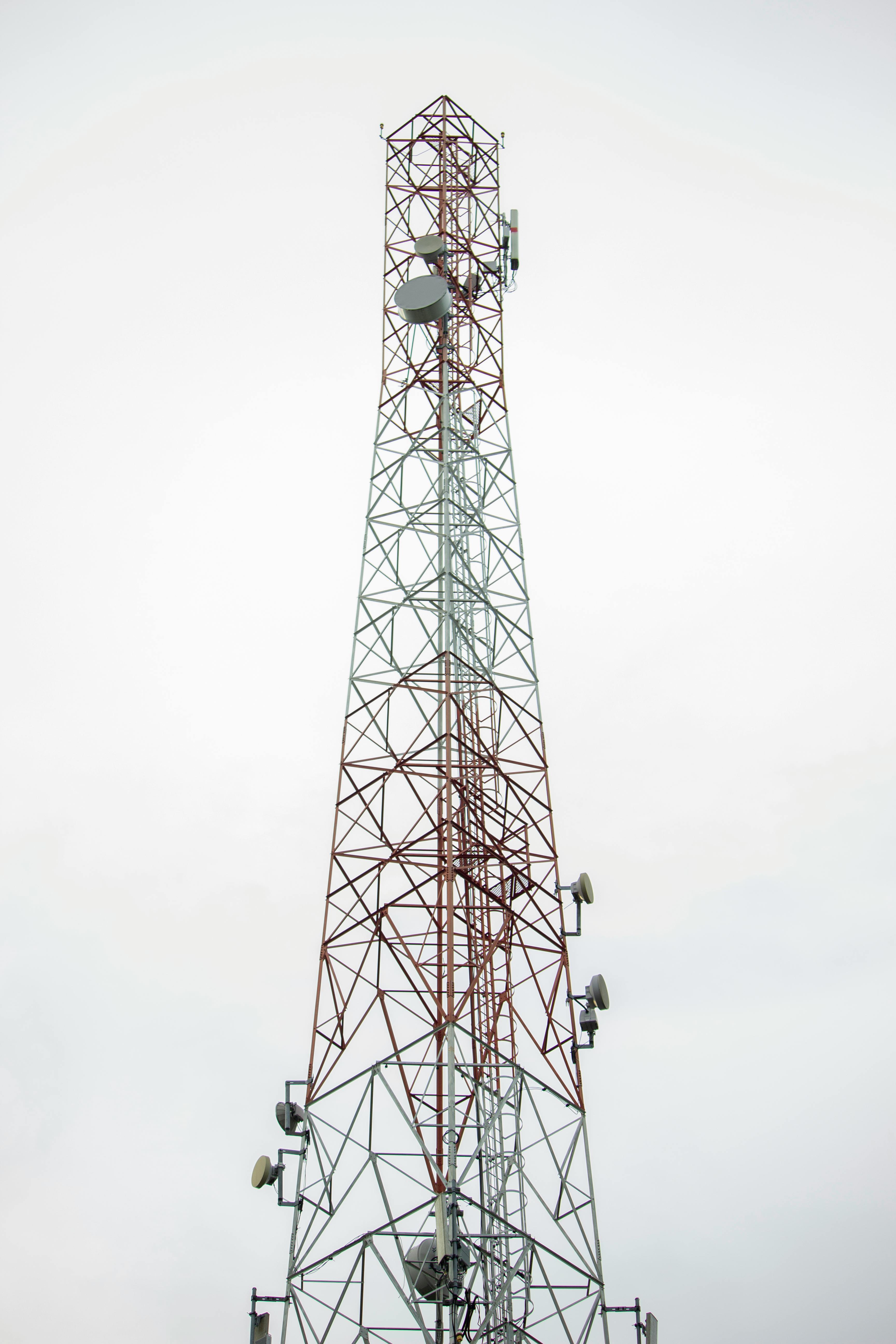
Overview
The newly signed MOU between KT SAT and SKY Perfect JSAT marks a pivotal moment in the evolution of satellite communications. Both companies are pooling their extensive expertise and resources to advance the technical capabilities of GEO 5G NTN. The primary objective is to develop and standardize technologies that enable seamless integration of geostationary satellites into the 5G ecosystem, thereby extending the reach of high-bandwidth, low-latency communication services to areas where terrestrial networks are impractical or impossible to deploy. This joint venture is expected to drive innovation in satellite-based internet services, enhance disaster recovery communications, and open new avenues for global mobile connectivity.
Background & Context
The global demand for pervasive connectivity has been steadily increasing, pushing the boundaries of traditional telecommunications infrastructure. While terrestrial 5G networks offer unprecedented speeds and capabilities, their deployment is often limited by geographical constraints, economic viability in sparsely populated areas, and challenges in maintaining service during emergencies. This gap highlights the critical role of non-terrestrial networks, particularly those utilizing satellites, to ensure truly ubiquitous coverage.
Geostationary satellites, positioned approximately 35,786 kilometers (22,236 miles) above the Earth's equator, offer vast coverage areas from a single orbital position, making them ideal for broadcasting and wide-area internet access. The integration of these satellites with 5G standards, known as satellite 5G, aims to bring the benefits of next-generation cellular technology to maritime vessels, aircraft, remote communities, and areas affected by natural disasters. This convergence is a key focus of the 3rd Generation Partnership Project (3GPP), which is actively developing specifications for NTN capabilities within the 5G framework.
Both KT SAT and SKY Perfect JSAT bring significant strengths to this partnership. KT SAT, a subsidiary of Korea Telecom, has a long history of pioneering satellite services in Asia, operating a fleet of high-performance satellites. Similarly, SKY Perfect JSAT is a leader in the Asia-Pacific region, boasting extensive satellite assets and expertise in a wide range of communication services, including broadband, broadcasting, and mobile backhaul. Their combined experience and technological prowess create a formidable force in developing cutting-edge GEO 5G NTN solutions.
Implications & Analysis
The collaboration between KT SAT and GEO 5G NTN, the companies are addressing a crucial segment of the space-based connectivity market that complements emerging Low Earth Orbit (LEO) constellations. While LEO systems are lauded for their low latency, GEO satellites offer stability, predictability, and immense coverage from a single platform, making them highly suitable for broadcasting, backhauling, and mission-critical communications over vast, static areas.
This partnership will likely accelerate the development of standardized interfaces and protocols necessary for seamless interoperability between terrestrial 5G networks and geostationary satellite systems. Such standardization is vital for fostering a truly converged network architecture where devices can switch between terrestrial and satellite links without interruption, optimizing connectivity based on availability and application requirements. This integrated approach is central to the vision of `non-terrestrial networks` as defined by 3GPP.

Potential applications stemming from this R&D are diverse. They include enhanced mobile broadband services for ships and aircraft, reliable communication for remote industrial sites (e.g., mining, oil and gas), advanced IoT solutions in agriculture and logistics, and robust emergency communication systems that remain operational even when ground infrastructure fails. Furthermore, the collaboration could lead to new business models and market opportunities for both companies, allowing them to expand their service offerings and reach previously untapped markets in the Asia-Pacific and beyond. The focus on satellite 5G represents a significant step towards enabling comprehensive global digital inclusion.
Reactions & Statements
Leaders from both KT SAT and 'This MOU with SKY Perfect JSAT marks a significant step forward in our commitment to pioneering advanced satellite communication technologies. By combining our expertise, we aim to lead the development of GEO 5G NTN, which will play a crucial role in realizing truly seamless global connectivity and bridging the digital divide.'
Similarly, Eiichi Yonekura, Representative Director, Senior Managing Executive Officer of SKY Perfect JSAT, emphasized the synergy between the two companies:
'Our collaboration with KT SAT is a testament to our shared vision for the future of non-terrestrial networks. We are confident that our joint R&D efforts will contribute significantly to the standardization and commercialization of satellite 5G services, benefiting various industries and communities worldwide.'
These statements underscore a mutual commitment to innovation and leadership in the rapidly evolving space communications sector. The partnership is seen not just as a commercial venture but as a strategic alliance to shape the future of global connectivity standards.
What Comes Next
Following the signing of the MOU, KT SAT and GEO 5G NTN. A key aspect of their work will be contributing to global standardization efforts through bodies like 3GPP and the International Telecommunication Union (ITU), ensuring that the developed technologies are compatible with evolving global 5G standards.
The long-term vision includes conducting joint trials and demonstrations of satellite 5G services, potentially leading to commercial deployments within the next few years. These deployments will likely target specific use cases initially, such as maritime broadband or enterprise connectivity in remote areas, before expanding to broader consumer markets. The successful implementation of this collaboration could set a precedent for future international partnerships in the satellite industry, driving further innovation in the increasingly competitive landscape of non-terrestrial networks.
The market for satellite communications is undergoing a renaissance, with significant investments flowing into both GEO and LEO satellite ventures. This partnership between two established GEO operators signifies a proactive approach to evolving with the 5G era, ensuring that geostationary satellites remain a vital component of the global communications infrastructure.
Conclusion
The Memorandum of Understanding between KT SAT and GEO 5G NTN technologies represents a strategic alignment poised to significantly impact the future of global connectivity. By combining their extensive expertise and resources, these two industry leaders are not only advancing the technical frontier of satellite 5G but also reinforcing the role of geostationary satellites within the broader ecosystem of non-terrestrial networks. This collaboration is a testament to the industry's commitment to creating a more interconnected world, where high-speed, reliable communication is accessible to everyone, everywhere. As R&D progresses and standards evolve, the potential for GEO 5G NTN to revolutionize how we communicate and conduct business in remote and challenging environments becomes increasingly clear.


