Illinois Big Muddy Solar Project Powers Ahead
🕓 Estimated Reading Time: 5 minutes
Overview
In a significant stride towards a greener future, the Big Muddy Solar Project in Jefferson County, Illinois, is making substantial progress in its construction phase. Spearheaded by leading renewable energy developer Arevon, this monumental initiative is poised to inject 124 megawatts (MW) of clean electricity into the state's grid, marking a crucial advancement for Illinois solar energy. The development underscores a broader commitment to sustainable infrastructure and reducing carbon footprints across the Midwest.
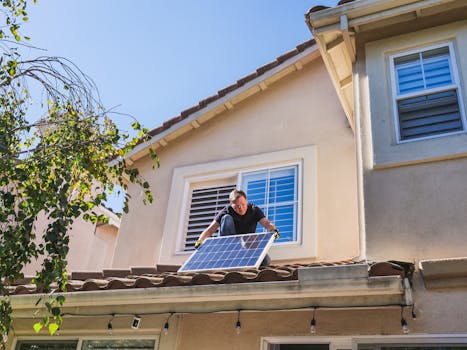
The project, a testament to modern engineering and strategic planning, highlights the accelerating pace of renewable energy adoption in the United States. With Arevon solar construction teams actively on site, the Big Muddy Solar facility is not just a power plant; it represents a substantial investment in the region's economic vitality and environmental health. Once operational, the 124 MW solar power generated will be capable of powering tens of thousands of homes annually, significantly reducing reliance on fossil fuels and contributing to a cleaner atmosphere.
Background & Context
The journey of the Big Muddy Solar Project began with a vision to harness the abundant solar resources of southern Illinois. Arevon, a leading force in renewable energy, initiated the project with meticulous planning, securing necessary permits, and engaging with local communities. The site in Jefferson County was strategically chosen for its optimal solar irradiance, land availability, and proximity to existing transmission infrastructure, ensuring efficient integration into the electrical grid.
Illinois has demonstrated a robust commitment to transitioning its energy landscape, spurred by ambitious legislative frameworks such as the Climate and Equitable Jobs Act (CEJA). This act sets forth aggressive targets for renewable energy deployment, aiming for 40% renewable energy by 2030 and 50% by 2040. Projects like Big Muddy Solar are instrumental in achieving these critical benchmarks, positioning Illinois as a leader in sustainable energy development. The state’s supportive policy environment has attracted significant investment, fostering an ecosystem conducive to large-scale solar initiatives.
The development of the Big Muddy Solar Project also reflects a broader national trend towards decarbonization and energy independence. As global concerns about climate change intensify, countries and states are increasingly turning to clean energy sources to mitigate environmental impact. Solar power, with its decreasing costs and technological advancements, has emerged as a cornerstone of this transition, offering a scalable and sustainable solution to energy demands. The project is financed through a combination of construction financing and tax equity commitments, showcasing strong investor confidence in the long-term viability of utility-scale solar.
Implications & Analysis
The operational launch of the Big Muddy Solar Project will bring multifaceted benefits to Illinois. Economically, the construction phase alone has created numerous temporary jobs, providing employment opportunities for local residents and injecting capital into the regional economy. Once operational, the facility will support permanent, high-skilled jobs in maintenance, operations, and technical support, fostering long-term economic stability in Jefferson County. Furthermore, property tax revenues from the solar farm will provide a new, stable funding source for local schools and public services, benefiting the entire community.
Environmentally, the impact will be profound. The 124 MW solar power plant is projected to offset significant amounts of carbon dioxide emissions annually, equivalent to removing thousands of gasoline-powered cars from the road. This substantial reduction in greenhouse gases contributes directly to improving air quality and combating climate change, aligning with global efforts to transition to a low-carbon economy. By displacing electricity generated from fossil fuels, the project enhances energy security and reduces the state’s exposure to volatile fuel prices.
Moreover, the project plays a critical role in strengthening the regional grid infrastructure. The clean power generated will be supplied to Ameren Illinois through a power purchase agreement, helping the utility meet its renewable energy obligations and diversify its energy portfolio. This integration of a large-scale solar facility enhances grid resilience and reliability, ensuring a stable and secure power supply for businesses and households across the state. The successful deployment of such projects serves as a blueprint for future renewable energy Illinois initiatives.
Reactions & Statements
The progression of the Big Muddy Solar Project has been met with widespread optimism from stakeholders across various sectors. Executives at Arevon have consistently highlighted the project's strategic importance and its role in their broader portfolio of clean energy assets.
'The Big Muddy Solar Project represents a significant milestone for Arevon and our commitment to advancing the clean energy transition,' said Kevin Smith, CEO of Arevon, as quoted in a recent press release. 'We are proud to contribute to Illinois’s renewable energy goals, creating jobs, and delivering sustainable power to the region. This project is a prime example of successful collaboration and our expertise in Arevon solar construction.'

Local officials in Jefferson County have also expressed enthusiasm for the project, recognizing its positive impact on the community. The influx of economic activity and the promise of sustainable energy generation are seen as vital for the region's future prosperity. Community leaders have often emphasized the importance of such infrastructure projects in driving local development and creating a pathway for long-term growth. The project’s engagement with local labor and suppliers has also garnered positive feedback, cementing its position as a community-conscious development.
Environmental advocacy groups have similarly lauded the project, viewing it as a critical step in reducing Illinois's reliance on fossil fuels and mitigating the effects of climate change. The project serves as a tangible example of how large-scale renewable energy can be deployed effectively, contributing to a healthier environment for current and future generations. The ongoing construction signifies progress towards a more sustainable energy system in the state.
What Comes Next
With construction advancing steadily, the Big Muddy Solar Project is expected to reach commercial operation in the near future. Upon completion, the focus will shift to ongoing operations and maintenance, ensuring the facility runs at peak efficiency for its projected lifespan of several decades. Advanced monitoring systems will continuously track performance, allowing for immediate adjustments and preventative maintenance to maximize energy output.
The successful implementation of this project is likely to pave the way for additional renewable energy investments across Illinois. As the state continues to pursue its ambitious clean energy targets, the Big Muddy Solar Project will serve as a model for future developments, demonstrating the economic and environmental viability of utility-scale solar. This contributes significantly to the growth of Illinois solar energy infrastructure.
Looking ahead, the energy sector will continue to evolve, with innovations in battery storage technology and smart grid solutions further enhancing the capabilities of solar farms. These advancements promise to make renewable energy even more reliable and dispatchable, solidifying its role as the backbone of future power grids. The Big Muddy project is not just a standalone development; it is an integral part of this evolving landscape, contributing to a more resilient and sustainable energy future for the state and beyond.
Conclusion
The progress of Arevon’s Big Muddy Solar Project stands as a powerful emblem of Illinois’s dedication to a sustainable energy future. With its impressive 124 MW solar power capacity, the facility is set to deliver substantial environmental and economic benefits, from reducing carbon emissions to generating local jobs and tax revenues. As construction moves towards completion, the project solidifies its position as a cornerstone of the state's transition to clean energy, showcasing the tangible positive impacts of robust renewable energy Illinois initiatives. This endeavor not only strengthens the state's energy independence but also contributes to a healthier planet for generations to come.


