Sundar Pichai Warns No Company Safe if AI Bubble Bursts
🕓 Estimated Reading Time: 4 minutes
Sundar Pichai Warns No Company Safe if AI Bubble Bursts
Google CEO Sundar Pichai has issued a stark Sundar Pichai warning regarding the current explosive growth in artificial intelligence, suggesting that if the burgeoning AI market proves to be a bubble, its burst could be catastrophic, sparing no company. The executive's cautionary remarks underscore growing concerns within the technology sector about the sustainability of current investment levels and the potential for a significant market correction. Pichai's comments draw parallels to historical tech booms and busts, urging stakeholders to consider the broader economic implications of unchecked exuberance in AI development and deployment.

Overview
The artificial intelligence industry is currently experiencing an unprecedented surge in investment, innovation, and public interest. From generative AI models captivating users with their creative capabilities to advanced machine learning algorithms optimizing everything from logistics to healthcare, the technology is reshaping industries at an accelerated pace. Venture capitalists and institutional investors have poured billions into AI startups and established tech giants alike, fueling a perception that AI is the definitive next frontier for economic growth. However, this fervent excitement is now tempered by caution from some of the industry's most influential figures. Sundar Pichai, at the helm of one of the world's leading AI innovators, has voiced a significant concern: the possibility of an AI bubble that, should it pop, could send seismic waves throughout the global economy, affecting even the most resilient companies. This sentiment reflects a growing anxiety about potential overvaluation and unsustainable investment practices within the AI ecosystem.
Background & Context
The current AI boom bears some striking resemblances to previous technological gold rushes, notably the dot-com bubble of the late 1990s and early 2000s. During that era, internet companies, many with unproven business models or minimal revenue, commanded astronomical valuations based on speculative future potential. When the bubble eventually burst, it led to widespread bankruptcies, massive job losses, and a significant correction in the stock market. Today, the rapid advancements in AI, coupled with substantial capital influx, have created an environment where valuations for some AI-focused entities seem detached from traditional metrics. Critics and cautious observers highlight AI investment dangers, pointing to instances where companies with early-stage technologies or nascent revenue streams are valued in the billions, often driven more by hype and competitive fear-of-missing-out (FOMO) among investors than by concrete profitability or market penetration. This speculative fervor is what concerns seasoned leaders like Pichai, who have witnessed the long-term consequences of such market dynamics.
Implications & Analysis
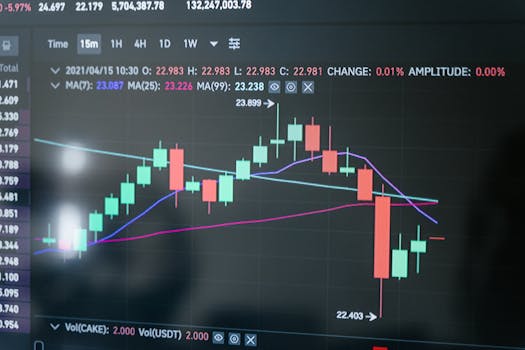
Pichai's assertion that 'no company is safe' if an AI bubble bursts stems from a deep understanding of the interconnectedness of the modern global economy, particularly within the technology sector. A widespread downturn triggered by a collapse in AI valuations would not merely affect specialized AI firms. It would reverberate through the entire supply chain, impacting chip manufacturers, cloud computing providers, software developers, and even companies that leverage AI as a service or integrate it into their products. Moreover, a significant reduction in venture capital available for AI could stifle innovation, particularly for smaller startups that rely heavily on external funding. This scenario poses substantial tech industry risks, potentially leading to widespread layoffs, project cancellations, and a general loss of confidence that could slow technological progress for years. The ripple effect could extend to the broader economy, affecting consumer spending, financial markets, and global trade. The lessons from past tech corrections suggest that overextension in one critical sector can have far-reaching and unpredictable consequences.
Reactions & Statements
The Google CEO's remarks, as reported by Newser, highlight a sentiment increasingly shared by other prominent figures in the technology and financial sectors. While the enthusiasm for AI's transformative potential remains high, there's a growing undercurrent of concern about the market's current trajectory. Pichai reportedly emphasized the historical patterns of technological revolutions and their associated speculative phases.
'I've seen these cycles play out before. While AI's potential is immense and undeniable, we must be vigilant about the pace of investment and the sustainability of current valuations. If this turns into a bubble that bursts, no one will be completely immune.'
This statement resonates with analyses from economists who caution against 'irrational exuberance' and venture capitalists who have started to scrutinize AI startup financials more closely. While some remain optimistic that AI's fundamental value will prevent a severe crash, the consensus is shifting towards a more tempered outlook, acknowledging the need for healthy market correction mechanisms to prevent long-term damage.
What Comes Next
Navigating the current AI landscape requires a delicate balance between fostering innovation and ensuring market stability. For companies, a focus on sustainable business models, clear pathways to profitability, and genuine value creation—rather than relying solely on speculative growth—will be paramount. Investors may need to adopt a more discerning approach, prioritizing companies with robust intellectual property, strong leadership, and demonstrable long-term revenue potential over those simply riding the hype wave. Policymakers, too, have a role to play in monitoring market conditions and fostering an environment conducive to ethical and sustainable technological development. The potential for an AI bubble burst underscores the importance of learning from past economic downturns. Promoting transparency, encouraging rigorous due diligence, and avoiding excessive leverage could help mitigate the severity of any future market correction. The trajectory of AI development will likely see continued innovation, but its commercial maturation may be subject to cycles of boom and bust, with the current period testing the industry's resilience.
Conclusion
Sundar Pichai's recent warning serves as a significant call for prudence amidst the fervent excitement surrounding artificial intelligence. While the transformative power of AI is indisputable and its long-term potential vast, the short-term market dynamics warrant careful consideration. The prospect of an AI bubble burst, affecting not just a niche segment but potentially the entire tech ecosystem, is a scenario that industry leaders, investors, and policymakers cannot afford to ignore. By drawing lessons from history and fostering an environment of sustainable growth and realistic valuation, the global technology sector can hopefully navigate the current enthusiasm without succumbing to the pitfalls of overspeculation, ensuring that AI's revolutionary promise is realized responsibly and durably.


